This guide explains how aloe vera helps reflux, how to choose the correct form, how to use it safely, and why aloe is often better tolerated than apple cider vinegar for people with burning or raw reflux symptoms.
Aloe vera is one of the most soothing natural remedies Earth Clinic readers use for acid reflux, GERD, and silent reflux (LPR). Unlike acidic remedies that work by increasing stomach acid, aloe works by cooling, coating, and calming irritated tissue—making it especially helpful when reflux is driven by inflammation, gastritis, or throat irritation.
This guide explains how aloe vera helps reflux, how to choose the correct form, how to use it safely, and why aloe is often better tolerated than apple cider vinegar for people with burning or raw reflux symptoms.
2026 Insight: Aloe vera does not suppress acid or stimulate it. It functions as a mucosal protectant, helping shield the esophagus and stomach lining from acid and pepsin damage.
Why Aloe Vera May Help Acid Reflux
Aloe vera contains polysaccharides and naturally alkaline compounds that may help:
- Soothe inflammation in the esophagus and stomach
- Coat irritated tissue, reducing burning and rawness
- Neutralize pepsin on contact (critical for silent reflux)
- Support mucosal healing over time
Because of these properties, aloe is often favored when reflux feels like burning, soreness, or throat irritation rather than pressure or gas.
The Aloin Warning: Why “Whole Leaf” Aloe Can Backfire
One of the most common mistakes readers make is choosing the wrong type of aloe.
Latex vs. Gel: The yellow sap (latex) just beneath the aloe skin contains aloin, a powerful laxative. Products labeled “whole leaf” often contain this compound and can cause cramping or diarrhea—especially in people with sensitive digestion.
For internal use, Earth Clinic readers consistently recommend aloe products labeled “inner leaf” or “decolorized”. Decolorization means the aloin has been filtered out, making the aloe far gentler for reflux sufferers.
Aloe Vera for Silent Reflux (LPR)
Silent reflux involves more than stomach acid. The primary irritant is often pepsin, a digestive enzyme that travels up into the throat and remains active.
Why Aloe Helps LPR: Aloe is naturally alkaline and may help deactivate pepsin on contact in the throat—something acidic remedies cannot do.
This makes aloe one of the more commonly tolerated remedies for LPR symptoms such as chronic cough, hoarseness, throat clearing, or burning.
Temperature Matters: The Cooling Effect
Many Earth Clinic readers note that aloe works best when it is cool.
The Fridge Factor: Keeping aloe juice refrigerated enhances its soothing effect. Cold aloe can feel like an “ice pack” for an inflamed esophagus or stomach lining.
This is especially helpful when reflux presents as a hot, burning sensation rather than pressure.
How to Take Aloe Vera for Acid Reflux
Typical Reader Method:
- 1–2 tablespoons of inner-leaf or decolorized aloe juice
- Take plain or diluted in water
- Use before meals or before bedtime
Always start with a small amount to assess tolerance.
Fresh Aloe vs. Bottled Aloe
Some readers prefer fresh aloe for maximum purity—especially if bottled products cause irritation.
- Bottled aloe: Convenient, but may contain preservatives
- Fresh aloe gel: Preservative-free, but must be prepared carefully
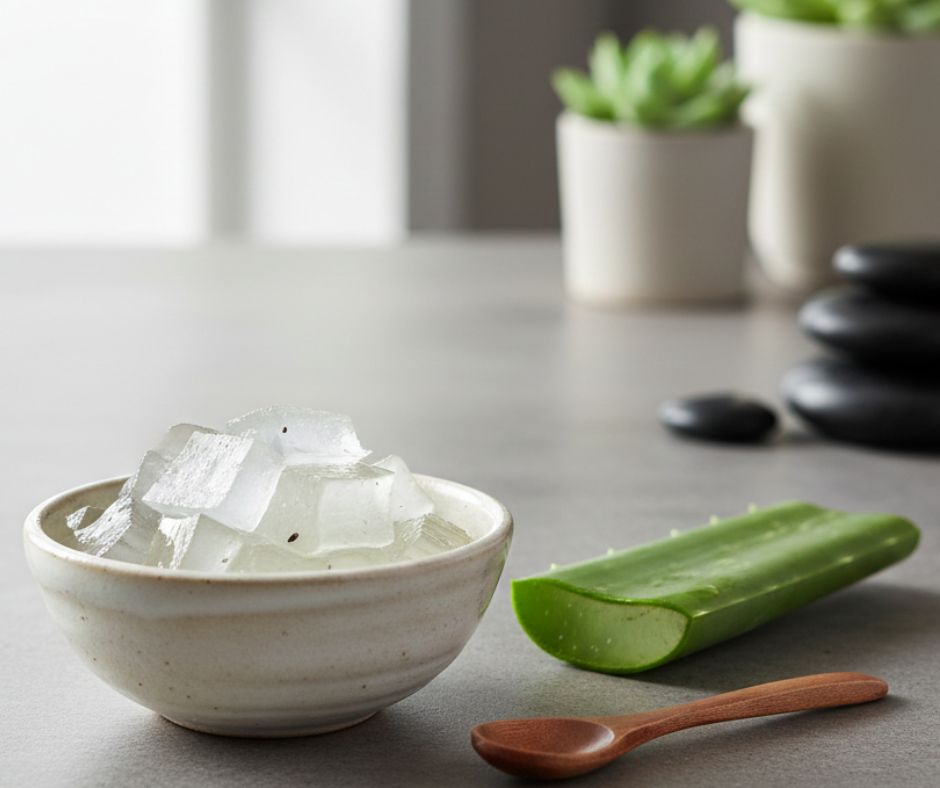
To use fresh aloe, cut a leaf, allow the yellow sap to drain completely, then scoop out only the clear inner gel. Never consume the yellow latex.
The Citric Acid Warning: Always check the label for citric acid. If you have silent reflux (LPR) and your throat is very raw, even small amounts of citric acid used to preserve bottled aloe can cause a sting. Look for preservative-free products or use fresh inner gel if you are highly sensitive.
Synergy: Aloe + The “Raft” Method
In 2026, many reflux sufferers combine aloe with raft-forming remedies for nighttime protection.
Aloe + Alginate: Aloe helps heal irritated tissue, while sodium alginate (seaweed extract) forms a physical barrier that keeps acid from rising—an effective one-two approach for nighttime reflux.
When Aloe Vera May Not Be a Good Fit
- Loose stools: Indicates aloin contamination or excessive dose
- Electrolyte imbalance: Overuse may affect potassium levels
- Pregnancy: Internal use should be avoided unless supervised
- Allergy: Discontinue if itching or rash occurs
Final Thoughts
Aloe vera is not a cure-all, but for inflammation-driven reflux, gastritis, or silent reflux, it can be one of the gentlest and most effective natural options when used correctly.
Have you tried aloe vera for acid reflux or LPR? Please share your experience to help others learn what worked for you.