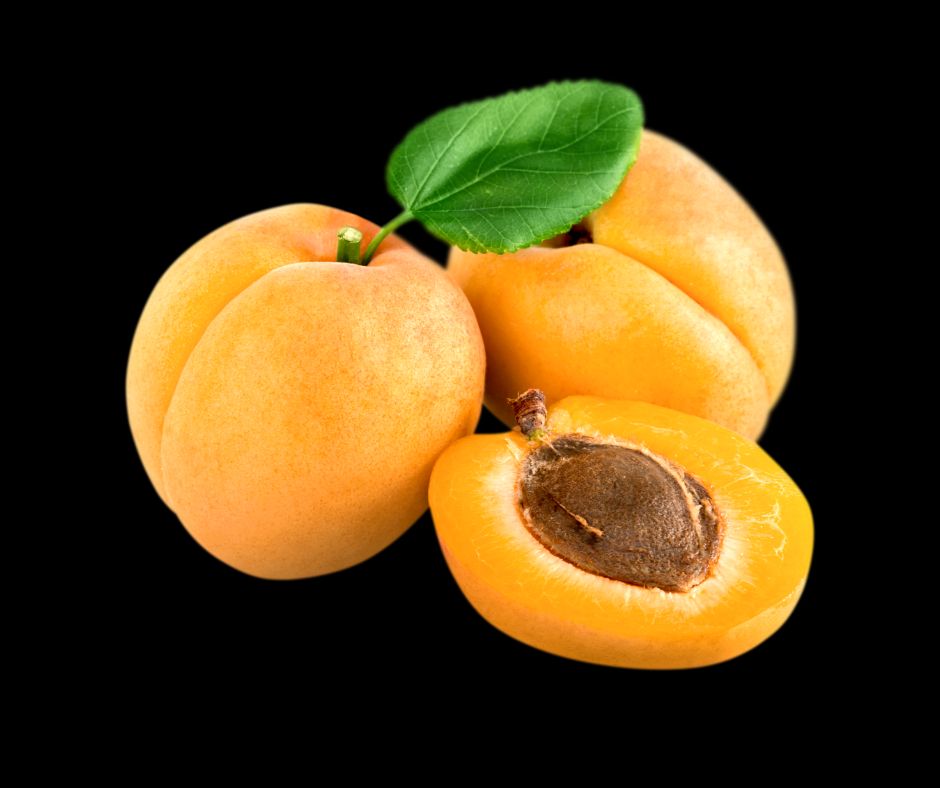
Apricot seeds have long been discussed as a potential natural remedy for cancer due to their amygdalin content, also known as vitamin B17 or laetrile. While some alternative health practitioners believe apricot seeds may have cancer-fighting properties, medical experts warn about possible toxicity risks. This article explores the potential benefits, scientific research, recommended usage, and safety concerns associated with apricot seeds.
What Are Apricot Seeds?
Apricot seeds, or kernels, are found inside the pit of an apricot fruit. They contain amygdalin, a compound that breaks down into hydrogen cyanide in the body. Some believe that amygdalin selectively targets cancer cells, but this claim remains controversial.
How Apricot Seeds Are Thought to Fight Cancer
Advocates of apricot seeds for cancer treatment suggest that amygdalin works by: ...
Apricot seeds have long been discussed as a potential natural remedy for cancer due to their amygdalin content, also known as vitamin B17 or laetrile. While some alternative health practitioners believe apricot seeds may have cancer-fighting properties, medical experts warn about possible toxicity risks. This article explores the potential benefits, scientific research, recommended usage, and safety concerns associated with apricot seeds.
What Are Apricot Seeds?
Apricot seeds, or kernels, are found inside the pit of an apricot fruit. They contain amygdalin, a compound that breaks down into hydrogen cyanide in the body. Some believe that amygdalin selectively targets cancer cells, but this claim remains controversial.
How Apricot Seeds Are Thought to Fight Cancer
Advocates of apricot seeds for cancer treatment suggest that amygdalin works by:
Targeting Cancer Cells: Some theories propose that cancer cells contain an enzyme (beta-glucosidase) that breaks down amygdalin, releasing cyanide and killing the cancer cell while leaving healthy cells unharmed.
Boosting Immune Function: Supporters believe vitamin B17 strengthens the immune system, making the body more resilient against cancer.
Inhibiting Tumor Growth: Some laboratory studies suggest that amygdalin may slow down the spread of cancer cells.
Scientific Research on Amygdalin and Cancer
While alternative medicine proponents support the use of apricot seeds, scientific studies have yielded mixed results:
A 1982 clinical trial by the National Cancer Institute (NCI) found no significant benefit of laetrile in treating cancer.
Some animal studies suggest amygdalin may have mild anti-tumor effects, but these results have not been conclusively proven in humans.
Research warns that high doses of apricot seeds can lead to cyanide poisoning, causing symptoms such as nausea, dizziness, and low blood pressure.
How to Use Apricot Seeds
Apricot seeds can be consumed raw, ground into powder, or taken in supplement form. If you choose to try apricot seeds, start with a small amount and monitor for any side effects.
Recommended Dosage
There is no universally accepted safe dosage, but some alternative practitioners suggest:
1-2 kernels per day: As a general precaution for health maintenance.
Up to 5 kernels per day: For individuals seeking potential anti-cancer benefits (proceed with caution).
Maximum safe limit: Some sources suggest no more than 2-3 kernels per hour and no more than 10 kernels per day.
How to Consume
Chew apricot seeds thoroughly before swallowing.
Grind them and mix with smoothies, yogurt, or honey.
Capsules containing amygdalin extract are available, but dosing should be carefully monitored.
Potential Side Effects and Safety Concerns
Apricot seeds contain cyanogenic compounds that can produce cyanide in the body, leading to possible toxicity. Symptoms of cyanide poisoning include:
Nausea and vomiting
Dizziness and confusion
Low blood pressure
Respiratory distress
In severe cases, coma or death
Children, pregnant women, and individuals with liver or kidney issues should avoid consuming apricot seeds due to the risk of toxicity.
Alternatives to Apricot Seeds for Cancer Support
For those seeking natural approaches to cancer prevention or support, consider these safer alternatives:
Turmeric (Curcumin): Contains powerful anti-inflammatory and antioxidant properties.
Green Tea: Rich in polyphenols that may help slow cancer cell growth.
Vitamin C: Supports immune function and may help combat oxidative stress.
Broccoli and Cruciferous Vegetables: Contains sulforaphane, known for its potential cancer-fighting properties.
Mushroom Extracts (Reishi, Turkey Tail): Known for immune-boosting effects.
Final Thoughts: Should You Use Apricot Seeds?
While some believe in the potential of apricot seeds for cancer, the scientific evidence remains inconclusive. If you choose to try them, start with small doses and monitor for side effects. Consult a healthcare provider before incorporating apricot seeds into your routine, especially if you have an existing health condition.
Have you tried apricot seeds for cancer? Share your experience in the comments below or keep reading to learn how Earth Clinic readers used this natural remedy.