Basal Cell Carcinoma (BCC) is the most common form of skin cancer and is most often linked to long-term ultraviolet (UV) exposure. Getting prompt medical evaluation and following your provider’s treatment plan is essential. At the same time, many people explore natural, supportive approaches to help calm irritation, support healing, and reduce the likelihood of recurrence alongside conventional care.
This Earth Clinic Master Guide (2026) brings together both gentle skin-support remedies and the more “heavy hitter” protocols that have generated the most documented reader success stories over the years.
Important: Basal cell carcinoma should always be evaluated by a qualified healthcare professional. Natural remedies may be used for complementary support but should never delay diagnosis or recommended treatment.
Basal cell carcinoma develops from basal cells in the epidermis. It often appears on sun-exposed areas such as the face, scalp, ears, neck, shoulders, and arms. While BCC usually grows slowly and rarely spreads, untreated lesions can become destructive to surrounding tissue.
Early treatment generally leads to excellent outcomes. Many Earth Clinic readers focus on both removal of abnormal tissue and supporting healthy skin regeneration afterward.
In addition to gentle remedies, Earth Clinic readers consistently report success with several more targeted approaches. These are often used when milder methods are not sufficient or as part of a comprehensive prevention strategy.
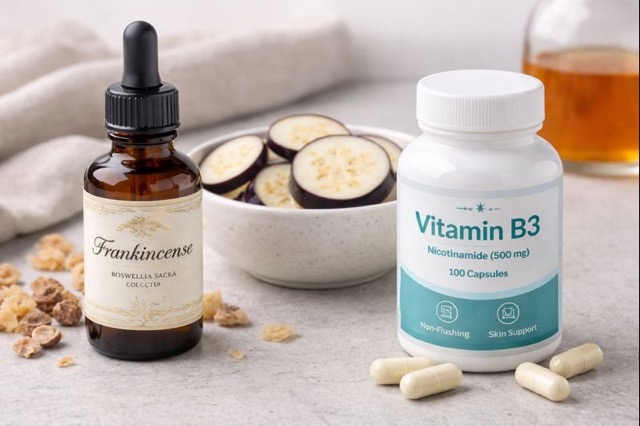
2026 Key Upgrade: Nicotinamide (a non-flushing form of Vitamin B3) is one of the most important additions to any BCC support plan.
Clinical studies show that 500 mg of nicotinamide taken twice daily can reduce the rate of new non-melanoma skin cancers (including BCC) by approximately 23%. Earth Clinic readers frequently report fewer new lesions and improved skin resilience with consistent use.
Important distinction: Nicotinamide is not the same as niacin. It does not cause flushing and is generally well tolerated.
Curaderm (BEC5) is one of the most frequently discussed topical treatments for basal cell carcinoma on Earth Clinic. It is derived from eggplant (solasodine glycosides) and is often considered when apple cider vinegar or baking soda are not sufficient.
What Readers Report: Curaderm selectively targets abnormal skin cells while leaving healthy cells largely intact. Many report visible lesion breakdown followed by regrowth of normal skin.
Curaderm is not inexpensive, but it is frequently described as a turning point for persistent or larger lesions. Application often causes redness and irritation during treatment, which readers view as part of the process.
For readers who cannot access or afford Curaderm, Earth Clinic has long featured a homemade eggplant and apple cider vinegar tincture, sometimes referred to as the “DIY Curaderm.”
Traditional Preparation (Reader Shared):
This remedy is considered stronger and more aggressive than ACV alone. Readers stress patience, consistency, and alternating with soothing remedies like aloe.
Frankincense is frequently mentioned on Earth Clinic, but readers make an important distinction between standard essential oils and CO₂ extracts of Boswellia sacra (Sacred Frankincense).
Why the CO₂ Extract Matters: CO₂ extracts preserve heavier resin compounds that are often missing from steam-distilled essential oils. These compounds are believed to better support apoptosis (programmed cell death) in abnormal cells.
Readers typically dilute frankincense CO₂ extract in a carrier oil and apply it topically. Patch testing is essential, and many alternate use with aloe to avoid irritation.
Many readers combine the “heavy hitters” above with gentler skin-support options to reduce irritation and promote healing.
Basal cell carcinoma requires proper medical evaluation, but Earth Clinic readers consistently emphasize the value of layered support—combining professional care with natural strategies that address prevention, lesion management, and skin regeneration.
Vitamin B3 (nicotinamide), Curaderm or its eggplant-based alternatives, and frankincense CO₂ extract represent the most discussed and documented “heavy hitters” within the Earth Clinic community. When used thoughtfully and responsibly, these approaches may offer meaningful support.
Below, you’ll find reader experiences and additional protocols. If you’ve tried any of these remedies, consider sharing your results to help others navigate their options.





