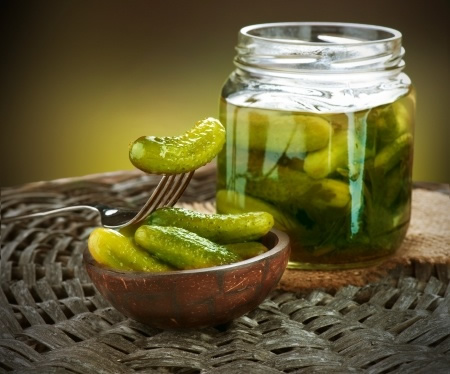
For many people, a small amount of pickle juice works as well as—or better than—over-the-counter antacids, often with fewer side effects when used occasionally and correctly.
Pickle juice is a popular natural remedy for acid reflux among Earth Clinic readers. Pickles have long been served alongside meals in many cultures—not just for flavor, but because acidic or fermented foods can support digestion when stomach acid is low.
For many people, a small amount of pickle juice works as well as—or better than—over-the-counter antacids, often with fewer side effects when used occasionally and correctly.
Why Pickle Juice May Help: Many cases of acid reflux are linked to low stomach acid, not excess acid. Pickle juice can add acidity to the stomach, helping digestion and improving closure of the lower esophageal sphincter (LES).
How Much Pickle Juice Should I Drink for Acid Reflux?
Most readers report relief with just a few sips or teaspoons of pickle juice. Some drink up to 1/4 cup, but larger amounts are rarely necessary.
Start small. If symptoms improve after a teaspoon, there is no benefit to drinking more.
When Should I Drink Pickle Juice?
Timing matters.
- For sudden flare-ups: Take a few sips at the first sign of reflux.
- For prevention: A small amount with a heavy or protein-rich meal may help if reflux tends to occur after eating.
Vinegar Pickles vs. Fermented Pickles (Important Distinction)
Not all pickles work the same way. In 2026, it’s important to distinguish between vinegar-based pickles and naturally fermented pickles.
| Pickle Type |
Primary Benefit |
Best For |
| Vinegar-Based |
Adds acidity (acetic acid) |
Immediate relief / Low stomach acid |
| Lacto-Fermented |
Probiotics & enzymes |
Long-term gut balance / Microbiome support |
| Spicy / Hot |
— |
Avoid (can worsen reflux) |
Vinegar-based pickle juice is usually best for quick relief. Naturally fermented pickles (often found in the refrigerated section) may support long-term gut health, but can be problematic for some people with bloating or SIBO.
Should I Eat the Pickle Instead of Drinking the Juice?
Most readers use the juice, but some find relief by eating the pickle itself. Because the pickle is saturated with the same liquid, it may work just as well—especially when reflux occurs during a meal.
Pickle Juice and Silent Reflux (LPR): Important Warning
Use Caution: If your symptoms are a sore throat, chronic cough, hoarseness, or throat clearing (rather than chest burning), you may have silent reflux (LPR).
In LPR, the throat is often coated with pepsin, a stomach enzyme. Acidic liquids like pickle juice can reactivate pepsin, worsening throat irritation and coughing. If pickle juice makes symptoms worse, discontinue use and consider a low-acid approach instead.
Spices Matter: Avoid Spicy Pickle Juice
Not all pickle juice is reflux-friendly. Juice from spicy or hot pickles should be avoided.
Capsaicin (from chili peppers) is a known reflux trigger and can relax the LES, potentially making symptoms worse once the initial acidity wears off.
Important Sodium & Health Cautions
Pickle juice is essentially a salt brine. While a few sips are generally safe