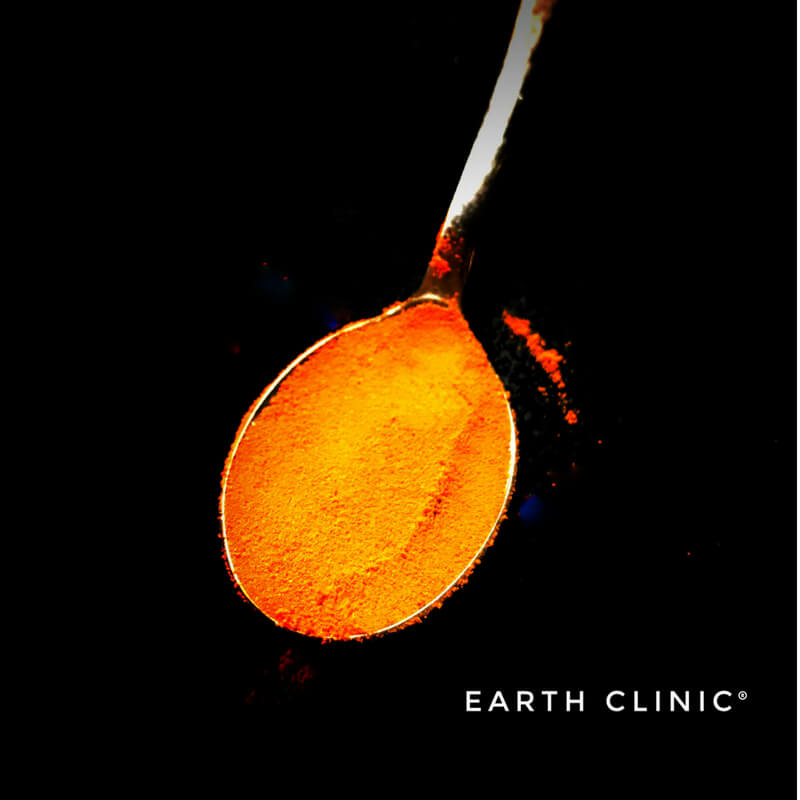
Turmeric (Curcuma longa) is a deep golden spice long used in traditional medicine systems and modern wellness routines. In 2026, turmeric remains one of the most researched natural anti-inflammatory compounds, largely due to its primary active constituent, curcumin. This page explores how turmeric is used, what current research suggests, and how Earth Clinic readers commonly incorporate it into daily routines.
Turmeric has been used for centuries in Ayurvedic, Southeast Asian, and traditional Chinese practices. Derived from a root in the ginger family, it was historically valued not only as a culinary spice but also for skin care, digestive support, wound care, and inflammatory conditions.
Today, turmeric is widely available as a kitchen spice, bulk powder, tea, capsule, and standardized extract. Many people source it from grocery stores, Indian markets, or health food retailers.
Read More



