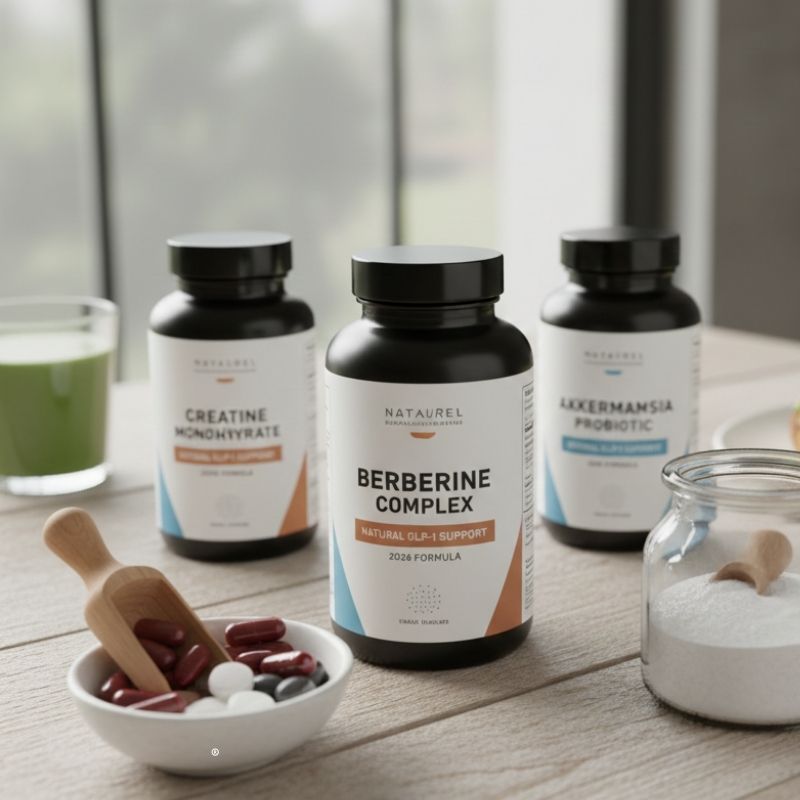
GLP-1 (glucagon-like peptide-1) is a hormone produced in the gut that plays a central role in blood-sugar regulation, appetite control, and metabolic signaling. It enhances glucose-dependent insulin release, slows gastric emptying, and sends satiety signals to the brain. Whether you are aiming to support GLP-1 naturally or are currently using GLP-1–based medications, strengthening the body’s underlying metabolic pathways is essential for long-term health and sustainability.
2026 Trend: “The Natural Bridge.” Many individuals are now using targeted nutrition and supplements to support metabolic stability after tapering off medications—or to enhance their body’s own endogenous GLP-1 signaling.
How GLP-1 Influences the Body
GLP-1 belongs to the incretin family of hormones. It is released from specialized L-cells in the gut when nutrients—particularly carbohydrates, fats, and fermentable fibers—reach the lower small intestine and colon.
- Pancreas: Stimulates insulin secretion in a glucose-dependent manner, reducing blood-sugar spikes.
- Brain: Enhances satiety signals and reduces appetite “noise.”
- Stomach: Slows gastric emptying, prolonging feelings of fullness.
In 2026, GLP-1 is increasingly understood as a whole-system hormone—influencing not only weight but also inflammation, insulin sensitivity, and long-term metabolic resilience.
Top Natural GLP-1 Stimulators
The following compounds help the body increase its own GLP-1 signaling by supporting gut, metabolic, and microbiome pathways rather than directly mimicking the hormone.
1. Berberine (The “Natural Bridge”)
Frequently described in 2026 discussions as a natural metabolic bridge, berberine activates the AMPK pathway and has been shown to increase GLP-1 secretion from intestinal L-cells. It also improves insulin sensitivity and post-meal glucose control.
Practical note: Phytosomal or enhanced-absorption forms are often preferred due to berberine’s naturally low bioavailability.
2. Akkermansia muciniphila
This beneficial gut bacterium has emerged as a major focus in metabolic research. Akkermansia supports the gut barrier and produces short-chain fatty acids (SCFAs), which indirectly stimulate GLP-1 release and improve insulin sensitivity.
3. Fermentable Fiber (Psyllium & Guar Gum)
Soluble, fermentable fibers slow digestion mechanically and—once fermented in the colon—produce butyrate. Butyrate is a potent signaling molecule that naturally promotes GLP-1 secretion and improves gut-brain communication.
Managing Side Effects: Muscle & Nutrient Support
For individuals using GLP-1 medications, preserving lean mass and preventing nutrient depletion are now considered essential components of responsible use.
Muscle Preservation Priorities:
- Creatine Monohydrate: Helps protect muscle mass and strength during reduced caloric intake.
- Leucine-Rich Protein: Aim for ~30 g protein per meal to trigger muscle protein synthesis.
- Resistance Training: Critical for preventing metabolic slowdown and sarcopenic weight loss.
Electrolytes & Hydration
Slower gastric emptying and reduced appetite can unintentionally reduce fluid and mineral intake. Maintaining adequate sodium, potassium, and magnesium helps prevent fatigue, dizziness, and weakness during metabolic shifts.
2026 Natural GLP-1 Support Protocol
| Supplement |
Typical 2026 Use |
Primary Role |
| Berberine (Phytosome) |
~550 mg, twice daily |
Glucose control & GLP-1 support |
| Creatine |
3–5 g daily |
Lean-mass preservation |
| Psyllium Husk |
~5 g before dinner |
Satiety & butyrate production |
| Akkermansia |
1 capsule daily |
Gut barrier & metabolic signaling |
Your Metabolic Journey
Are you using natural GLP-1 support, transitioning off medication, or combining both approaches? Join the conversation: Share your experience below and explore what the Earth Clinic community recommends for sustainable metabolic health.
Related Links:
Natural Remedies for Type II Diabetes: Diet, Supplements & Tips
Ten Diet Tweaks to Lose Weight for Life!
