Dimethylglycine (DMG): A Deep Dive into Benefits, Dosage, and Side Effects

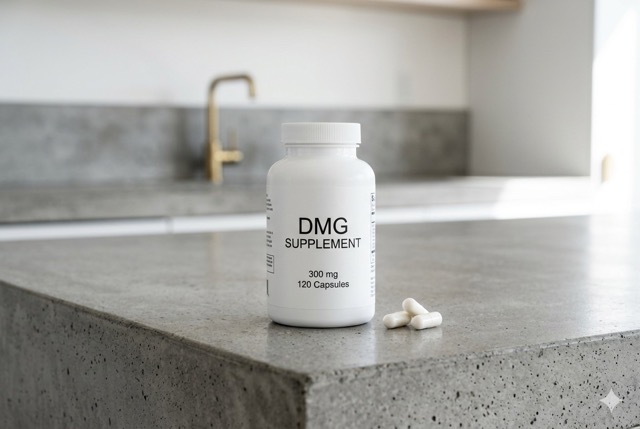
Dimethylglycine (DMG) is a naturally occurring compound derived from the amino acid glycine and closely tied to the body’s methylation cycle. Sometimes referred to as “vitamin B15” in older literature (though not officially a vitamin), DMG is used for its potential effects on energy, immune function, and neurological support.
Quick take: DMG is often used to support energy, oxygen utilization, and resilience. However, its effects are highly dependent on individual methylation status and nutrient cofactors.
Quick Navigation:
What is DMG?
Potential Benefits
How It Works
DMG vs TMG
Dosage and Forms
Side Effects and Cautions
What Readers Report
What Is DMG?
DMG (dimethylglycine) is a methylated derivative of glycine formed during the conversion of choline → betaine (TMG) → DMG. It plays a role in the body’s one-carbon metabolism cycle, which influences detoxification, neurotransmitters, and cellular energy.
Unlike TMG, which actively donates methyl groups, DMG is a downstream compound that continues to support metabolic processes, particularly those related to energy production and neurological function.
Potential Health Benefits of DMG
1. Energy, Oxygen Use, and Lactic Acid Buffering
DMG is commonly used to support energy production and stamina. It is often discussed in sports nutrition for its potential to improve oxygen utilization and reduce lactic acid buildup, which may contribute to improved endurance and faster recovery.
Insight: Some athletes report less muscle “burn” and better recovery, though results are inconsistent and highly individual.
2. Immune Support
DMG has been studied for its ability to influence immune response. Some people take it during periods of stress or seasonal illness to support immune resilience.
3. Brain, Mood, and Neurological Support
Through its role in methylation, DMG may support focus, mood balance, and cognitive function. Some individuals report noticeable improvements in mental clarity.
4. Autism and Neurodivergence Support
DMG has a long history of use in the autism community, particularly in children. Some anecdotal and limited clinical reports suggest improvements in speech, eye contact, and social interaction.
However, responses vary widely. Some individuals show meaningful improvements, while others experience no change or increased stimulation.
5. Stress and Adaptation
Some users report improved ability to handle physical and emotional stress, likely due to DMG’s role in energy metabolism and neurotransmitter pathways.
6. Cardiovascular and Methylation Support
DMG participates in methylation pathways, but it is not the primary compound used to lower homocysteine levels.
How DMG May Work
DMG functions within the body’s methylation and energy systems:
- Methylation support: Participates in one-carbon metabolism
- Energy metabolism: May enhance mitochondrial efficiency
- Neurotransmitter influence: Affects mood and cognition pathways
- Immune modulation: May support immune signaling
Cofactor note: DMG works best when key nutrients are present, including methylfolate, vitamin B12 (methylcobalamin), and vitamin B6. Without these, the methylation cycle can become inefficient or “bottlenecked.”
DMG vs TMG (Trimethylglycine)
DMG and TMG are closely related but function differently in the body.
| Feature | DMG (Dimethylglycine) | TMG (Trimethylglycine / Betaine) |
|---|---|---|
| Methyl Groups | 2 | 3 |
| Primary Role | Energy, immune, neurological support | Direct methyl donor for homocysteine reduction |
| Position in Cycle | Byproduct of methyl donation | Active methyl donor (BHMT pathway) |
| Typical Use | Often felt more in brain/energy | Liver health, homocysteine, muscle power |
| Dosing | Lower doses (mg range) | Often higher doses (gram range) |
Key distinction: If the goal is specifically to lower homocysteine, TMG is typically more direct and effective than DMG.
Forms and Typical Dosage
DMG is available in:
- Capsules or tablets
- Powder
- Sublingual tablets
Typical ranges:
- Adults: 100–300 mg, once or twice daily
Start low and increase gradually, especially if sensitive to methylation supplements.
Side Effects and Cautions
Important: DMG can increase methylation activity and may feel stimulating in some individuals.
Possible side effects:
- Insomnia
- Restlessness or anxiety
- Irritability
- Headache
Methylation sensitivity warning:
Individuals with certain tendencies (such as COMT “slow” variants or specific MTHFR patterns) may be more prone to over-methylation, leading to symptoms like anxiety, irritability, or feeling “wired.”
Practical tip: Some people use niacin (vitamin B3) as a “buffer” to help reduce excess methylation effects if they feel overstimulated after taking DMG.
Use caution if:
- You are sensitive to methyl donors
- You have anxiety or overstimulation tendencies
- You are taking medications affecting brain chemistry
What Earth Clinic Readers and Others Report
Reader experiences with DMG vary widely, reflecting differences in metabolism, nutrient status, and underlying health.
Reported Benefits
- Increased energy and stamina
- Improved exercise recovery
- Better focus and clarity
- Improved speech or engagement in some children
Reported Downsides
- Feeling overstimulated or anxious
- Sleep disruption
- No noticeable effect
Common theme: DMG appears to be highly individual-response dependent. Its effects are often stronger when methylation cofactors are optimized.
Bottom Line
DMG is a metabolically active compound involved in energy production, immune signaling, and methylation pathways. While not a primary methyl donor like TMG, it may still offer meaningful support for some individuals—particularly for energy and neurological function.
Because of its interaction with methylation, it is best approached thoughtfully, starting with low doses and ensuring adequate nutrient cofactors are in place.