
Potassium
Health Benefits

Potassium - Editor's Choice

| Modified on Feb 13, 2026
Add New Post Comments
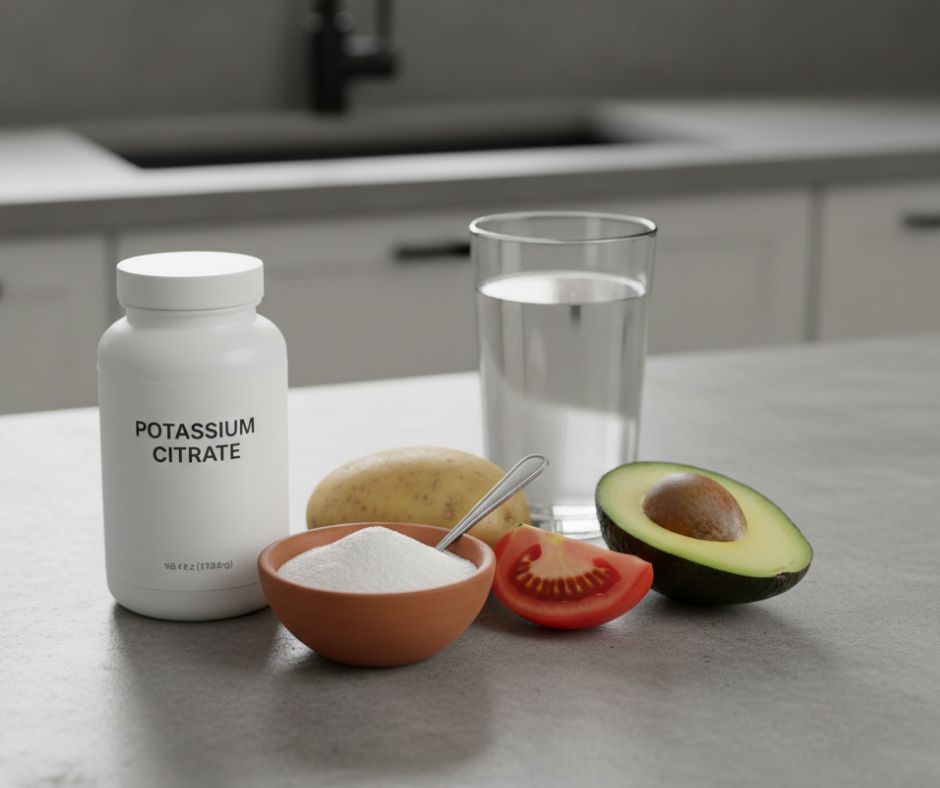
Potassium supplement and food.

Potassium is one of the most important minerals in the body—yet many people don’t consistently reach recommended intake levels. Potassium helps regulate fluid balance, supports normal blood pressure, powers nerve signaling, and allows muscle contraction (including the heart).

The 2026 Potassium Reality

Most people don’t have a “potassium supplement” problem—they have a food pattern problem. Potassium is easiest to get from everyday foods (especially plants), not pills.

  • Men (19+): 3,400 mg/day
  • Women (19+): 2,600 mg/day
  • Pregnant: 2,900 mg/day
  • Breastfeeding: 2,800 mg/day
Important 2026 Context

If your diet is high in sodium (packaged foods, restaurant meals, salty snacks), your effective potassium “need” may be higher than the baseline Adequate Intake to maintain balance.

The Sodium–Potassium Pump: Why Potassium “Pushes Sodium Out”

Potassium doesn’t just “lower” blood pressure—it works with sodium at the cellular level through the sodium–potassium pump, a mechanism that moves sodium out of cells and potassium into cells. This pump helps control cell hydration, nerve firing, muscle contraction, and blood vessel tone.

The Ratio Matters (Seesaw Effect)

High sodium intake tips the seesaw toward fluid retention and higher blood pressure. Increasing potassium helps counterbalance sodium by supporting the cellular pumps that move sodium out. If your diet is sodium-heavy, your potassium target may need to be higher to restore balance.

Top Potassium Health Benefits

1) Supports Healthy Blood Pressure

Higher potassium intake paired with lower sodium intake supports healthier blood pressure patterns.

2) Helps Muscles and Nerves Work Properly

Potassium is required for normal muscle contraction and nerve transmission, including heart rhythm.

3) May Reduce Kidney Stone Risk

Low potassium intake can increase urinary calcium loss, which may raise kidney stone risk.

4) Supports Bone Health Through Diet Pattern

Potassium-rich diets centered on fruits and vegetables are associated with better bone health patterns.

5) Blood Sugar & Insulin Sensitivity (Emerging Research)

Low potassium intake has been associated with impaired glucose handling in some studies.

Hidden Potassium “Superstars” (2026 Density Leaders)

  • Beet greens: Higher potassium than the beet itself
  • Coconut water: The “natural Gatorade” of 2026
  • Avocado: Higher potassium than a banana
  • Blackstrap molasses: A classic Earth Clinic favorite and potassium powerhouse

Best Food Sources of Potassium

  • High-impact foods: potatoes, sweet potatoes, beans, lentils, spinach, tomatoes, yogurt
  • Easy daily add-ons: banana, orange juice, leafy greens, small portions of dried fruit

The “Boiling Trap”: How Cooking Methods Destroy Potassium

Potassium is highly water-soluble. When you boil potatoes or spinach and pour the water down the drain, you can lose a large portion of the potassium content.

Kitchen Hacks to Keep Your Potassium
  • Steam or roast vegetables instead of boiling.
  • If you boil, use the “potassium water” in soups or stews.
  • Cook potatoes with skins on when possible.

How to Hit Your Daily Potassium Goal (Real Life)

  • Breakfast: yogurt + fruit or green smoothie
  • Lunch: beans/lentils or big spinach salad
  • Dinner: potatoes/squash + vegetables + protein
  • Snack: coconut water, avocado, or dried fruit (small portions)

Why Are Potassium Supplements Usually Only 99 mg?

Most over-the-counter potassium supplements provide small amounts—typically no more than 99 mg.

The Real Reason for the 99 mg Limit

High-concentration potassium pills have been associated with small-bowel irritation and lesions when a tablet dissolves against the intestinal wall. This safety concern is why over-the-counter potassium is capped at low doses.

2026 bio-hack context: If supplements are used, diluted forms such as potassium citrate or bicarbonate powders mixed in a large glass of water are often preferred to reduce localized irritation.

Earth Clinic “Citizen Science” Signs You Might Be Low

  • Unexplained muscle twitches (eyelid or calf)
  • Heart palpitations after a high-carb or high-sodium meal
  • Feeling “heavy” or “puffy” from water retention
  • Morning brain fog that clears after a green smoothie

Safety & Interactions

Potassium from food is generally safe for people with healthy kidneys. High potassium levels can occur in people with kidney disease or those taking medications that affect potassium balance.

Salt Substitute Warning

Potassium-based salt substitutes can raise potassium too high for some people. Consult a clinician if you have kidney disease or take medications that affect potassium.

Frequently Asked Questions

Is potassium better from food or supplements?

For most people, potassium is best obtained from food patterns rich in vegetables, beans, fruit, and dairy or alternatives.

What’s the easiest potassium upgrade?

Add one daily anchor food: potatoes/squash, beans/lentils, yogurt, beet greens, avocado, or coconut water.

Important Disclaimer

Educational use only. If you have kidney disease, heart failure, diabetes, adrenal issues, or take medications that affect potassium, consult your clinician before using potassium supplements or salt substitutes.

Related Links:

Low Potassium (Hypokalemia): Symptoms You Should Not Ignore


The comments below reflect the personal experiences and opinions of readers and do not represent medical advice or the views of this website. The information shared has not been evaluated by the FDA and is not intended to diagnose, treat, or prevent any disease or health condition. Always consult a qualified healthcare professional for medical concerns.

Eye Dryness

Posted by HisJewel (New York) on 12/03/2022
★★★★★

Editor's Choice

Potassium supplementation for Dry Eyes

If you have had to deal with any of the COVD colds these past few years check with the doctor to find out if your potassium level is up to par. Besides Vitamin C and Melatonin, Potassium was one of the earlier supplements that helped people recover from COVD. From what I understood that condition used up or drained the body's potassium.

I am adding this thought on potassium because lately I have been trying keep up with the daily recommendation for Potassium. Articles say 3,500–4,700 mg of potassium daily and that it is safer when taken in foods. This really is not hard if you love banana, spinach, prunes etc. . However, knowing that I do not have enough potassium rich foods on hand, I take potassium supplements. I noticed that when I wake up in the morning, my eyes feel much more normal. In fact, sometimes I forget it has been sticking.

I could not find much information to verify this, but what I did come up with is in this post. I found a post from PubMed that incudes what tears are made of in this statement"

"Methods: The model is based on mass balances of water and solutes such as glucose, sodium, potassium, and chloride."

Check it out the PubMed Article:

https://pubmed.ncbi.nlm.nih.gov/17453939/

Here is an article about potassium Deficiency and dry eyes:

https://healthfully.com/347415-potassium-deficiency-and-dry-eyes.html

I have always been concerned about seniors, and now that I am one, I see and feel what they are saying.

HisJewel


Severe Muscle & Body Aches

Posted by Bethany (San Diego, CA) on 03/13/2022
★★★★★

Editor's Choice

Please post to both Potassium and COVID recovery pages.

In July 2021 my family and I came down with Covid. My symptoms were severe headache, severe fatigue and entire body severe muscle aches and body aches. None of us lost smell or taste but I also developed a different symptom than what I have read about: I got a disgusting nasty taste in my mouth that no amount of tooth brushing or anything would remove. It made coffee, water and any food taste really gross. As a result I stopped eating much and stopped drinking much, except forcing myself to eat and drink a little bit to stay alive.

My husband and two teenagers all recovered within a few days & our 4 year old never got it, however I continued to be in constant intense pain with muscle & body aches all over. I also had lost my appetite and had (sorry TMI) diarrhea.

After a week and a half I was still in agony & my husband asked why haven't I gotten better? I was wondering the same thing so I looked up online “severe muscle aches and body aches” and out popped Low Potassium & your article explained why eating a banana doesn't afford immediate potassium. I realized that all the diarrhea probably exasperated the issue of low potassium.

So I sent someone to the store as I was no way ready to travel and the potassium couldn't arrive fast enough!

I took a few potassium pills (sorry I don't remember the exact number) and within an hour or so I felt SO much better! I think I took 2-4 potassium pills at 99mg for a few days.

I continued with then potassium supplements until I felt better . Also ate some bananas for good measure as I figured it couldn't hurt.

Low Potassium Symptoms

Posted by Ali (Wales) on 10/27/2021
★★★★★

Editor's Choice

As Dr. Berg points out on YouTube, a classic symptom of low potassium is hearing your blood/pulse whooshing or banging in your ears. I keep a pot of potassium citrate crystals by my bed & a quarter teaspoon in water gives me 300mg of elemental potassium, the amount in a small banana. As I don't want to be eating at night, I just pop some into half a glass of water along with half a teaspoon of magnesium citrate (magnesium helps the cells retain potassium, apparently), let it dissolve for a few minutes then drink it down. Stops the banging & calms me down within a few minutes. A level teaspoon of Cream of Tartar only seems to contain around 500mg of elemental potassium (the amount in a large banana), so shouldn't be an issue. A glass of coconut water contains a decent amount of potassium, so having some of that on hand is helpful too.

Gout

Posted by Stoney (Wallaceburg, Ontario Canada) on 01/06/2008
★★★★★

Editor's Choice

Hi Everyone, I've had the pleasure of suffering with gout for over 50 years. When I used to play rugby, after every game, both of my big toes felt like they were on fire. As you all have, I tried every remedy I could, trying to stay away from Allopurinol as much as possible. Finally, I came across a magic bullet - potassium supplements. I tend to be a bit of a carnivore so my diet lacks the proper levels of potassium. I was reading an article about arthritis (another legacy of 30 years of rugby) and they mentioned that low potassium levels contributed to the problem and in passing mentioned that potassium also appeared to dissolve Uric crystals. The next time I had an attack, I started taking potassium supplements and IT WORKED. Within a day, the pain was reduced to a dull roar and within 2 it was gone completely.What a relief! I can't recommend this approach enough. Good Luck. Stoney